
Nail Technician Exam Study Guide PDF: An Overview
Preparing for the nail technician exam requires dedicated study, and utilizing a comprehensive study guide PDF is crucial for success․
Numerous resources, including practice exams with 150+ questions, are available to bolster your understanding of core concepts and essential knowledge areas․
These guides cover vital topics like nail anatomy, infection control, product chemistry, and salon safety regulations, mirroring the exam’s content․
Investing in a quality PDF study guide, like those offered by NT Test Review Team and Parvathi, Sai, significantly enhances your preparation and confidence․
Understanding the Exam Format
The Nail Technician Exam typically consists of a blend of multiple-choice questions designed to assess both theoretical knowledge and practical application․ Expect a significant portion dedicated to nail anatomy, physiology, and identifying various nail disorders and diseases, such as onychomycosis․
A strong emphasis is placed on infection control principles, including proper disinfection and sterilization techniques, reflecting the importance of salon safety and sanitation regulations․ The exam also delves into product chemistry, examining ingredients found in acrylics, gels, and polishes․
Furthermore, be prepared for questions related to recognizing nail abnormalities like hangnails, pterygium, onychophagy, and onychorrhexis․ Familiarizing yourself with the National Nail Technology Theory Examination CIB format, including sample questions and answer keys, is highly recommended for optimal preparation․
Available Study Resources (PDFs & Books)
Numerous resources are available to aid in your nail technician exam preparation, with PDF study guides and comprehensive textbooks being particularly valuable․ “Nail Technician Exam Secrets Study Guide” by NT Test Review Team offers a focused approach, while “Nail Technology Theory Practice Exam” by Sai Parvathi provides 150 practice questions with detailed explanations․
Amazon․com hosts both of these resources, alongside specialized training materials like Americanails Acrylic Nail Training Mats for practical skill development․ These mats allow for repeated application practice, enhancing technique․
Additionally, exploring the National Nail Technology Theory Examination CIB sample questions can provide insight into the exam’s style and content․ Utilizing a combination of theoretical guides and practical tools will maximize your chances of success on the certification exam․

Core Concepts for the Nail Technician Exam
Mastering nail anatomy, infection control, and product chemistry is essential for exam success․ Understanding these core concepts, alongside salon safety, builds a strong foundation․
Nail Anatomy and Physiology
A thorough understanding of nail anatomy and physiology forms a cornerstone of the nail technician exam․ Study guides emphasize the structure of the nail unit, including the nail plate, nail bed, matrix, cuticle, and surrounding skin․
Knowing the function of each part – how the matrix generates new cells, how the nail bed provides nourishment, and the protective role of the nail plate – is vital․
Exam preparation should include identifying these structures on diagrams and understanding their relationship to nail growth and health․ Resources like practice exams and study guides will test your knowledge of these fundamental components, ensuring you can confidently address questions related to nail conditions and treatments․
Familiarize yourself with the layers of the nail plate and the processes involved in keratinization․
Nail Disorders and Diseases (Onychomycosis, etc․)
A crucial aspect of the nail technician exam involves recognizing various nail disorders and diseases․ Study guides dedicate significant attention to identifying conditions like onychomycosis (fungal infection), onychophagy (nail biting), and onychorrhexis (nail splitting)․
Understanding the visual characteristics of each disorder – discoloration, thickening, brittleness, or separation from the nail bed – is essential for accurate identification․
Exam preparation must include differentiating between infections, nutritional deficiencies, and trauma-induced nail changes․ Resources emphasize recognizing abnormalities like hangnails and pterygium, and understanding their causes․
Knowing when to refer a client to a medical professional is paramount, and study materials will cover contraindications for services based on observed nail conditions․
Infection Control Principles (Disinfection & Sterilization)
Mastering infection control is non-negotiable for passing the nail technician exam․ Study guide PDFs heavily emphasize the differences between disinfection and sterilization, outlining appropriate procedures for each․
Understanding the levels of decontamination – high, intermediate, and low – and their corresponding applications is vital․ Resources detail proper cleaning and disinfection of implements, surfaces, and equipment․
Exam preparation includes knowing the required contact times for disinfectants and sterilants to be effective․
State regulations regarding sanitation and hygiene are also covered, ensuring technicians adhere to legal standards․ Proper handwashing techniques, the use of personal protective equipment (PPE), and waste disposal protocols are key components of this section․

Essential Knowledge Areas

Study guides focus on salon safety, product chemistry (acrylics, gels, polishes), and manicure/pedicure procedures․
These areas are critical for exam success and practical application․
Salon Safety and Sanitation Regulations
A thorough understanding of salon safety and sanitation regulations is paramount for passing the nail technician exam and ensuring client well-being․ Study guides emphasize proper disinfection and sterilization techniques to prevent the spread of infections, covering state-specific rules and guidelines․
Key areas include proper handling of implements, appropriate disposal of waste materials, and maintaining a clean and hygienic work environment․ Guides detail the importance of adhering to regulations set forth by governing bodies, like state boards of cosmetology․
Furthermore, they cover the correct storage of products in clean, closed containers, preventing contamination and maintaining product integrity; Mastering these regulations demonstrates professionalism and commitment to client safety, a significant portion of the exam’s assessment․
Product Chemistry and Ingredients (Acrylics, Gels, Polishes)
A comprehensive nail technician exam study guide PDF dedicates significant attention to product chemistry, focusing on the composition and behavior of acrylics, gels, and nail polishes․ Understanding the ingredients within these products is crucial for safe and effective application, as well as recognizing potential allergic reactions or sensitivities․
Guides detail the chemical processes involved in polymerization, curing, and adhesion, explaining how different ingredients interact․ They cover monomers, polymers, initiators, and other key components, alongside their specific functions․
Furthermore, study materials emphasize the importance of proper ventilation and safe handling procedures when working with these chemicals, ensuring both technician and client safety․ This knowledge is vital for answering exam questions and providing informed client consultations․
Manicure and Pedicure Procedures
A thorough nail technician exam study guide PDF meticulously outlines the steps involved in both manicure and pedicure procedures, emphasizing sanitation and client safety at each stage․ These guides detail proper hand washing, disinfection of tools, and the correct sequence for cuticle care, nail shaping, and polish application․
Expect detailed explanations of various techniques, including different filing methods, massage techniques, and the application of base coats, color coats, and top coats․ Pedicure sections cover foot soaking, callus removal, and proper foot massage protocols․
The best study materials will also address contraindications and modifications for clients with specific conditions, ensuring technicians can provide appropriate and safe services․ Mastery of these procedures is essential for both the practical and written portions of the exam․
Practical Skills Assessment
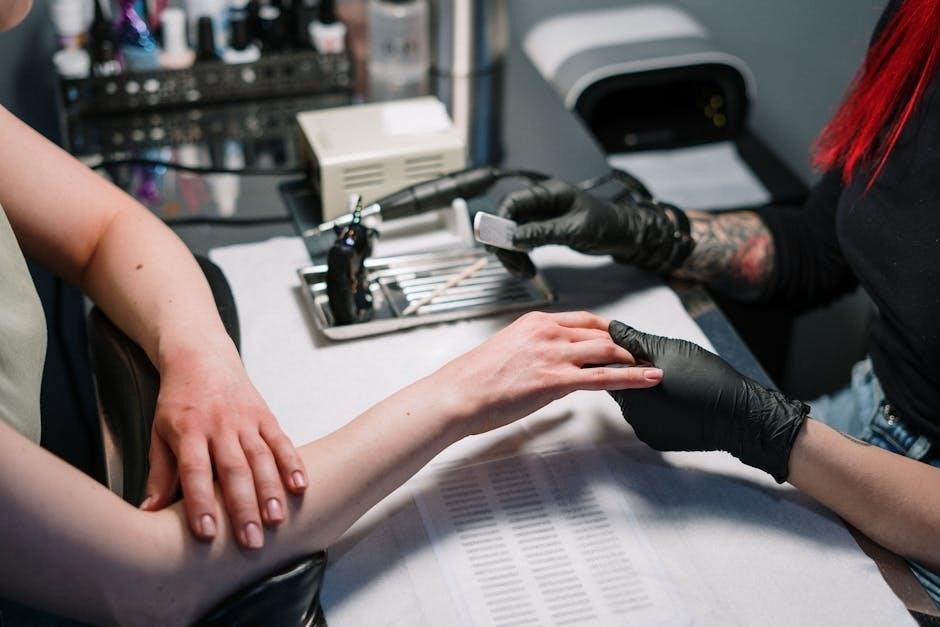
Study guide PDFs emphasize hands-on proficiency, preparing you for acrylic and gel nail applications, shaping, and polishing․
Practice with silicone training mats is vital for exam readiness․
Acrylic Nail Application Techniques
Mastering acrylic application is a significant component of the practical skills assessment, and study guide PDFs dedicate substantial sections to this crucial technique․ These resources detail proper nail preparation, including sanitation and cuticle care, laying the foundation for successful application․
Guides emphasize the correct monomer-to-polymer ratio for optimal consistency and adhesion, alongside detailed instructions on bead placement and sculpting techniques․ Understanding brush control, apex creation, and sidewall straightness is paramount, as these elements directly impact nail strength and appearance․
Furthermore, study materials cover filing and refining techniques to achieve a flawless finish, addressing common issues like lifting and cracking․ Utilizing tools like Americanails Acrylic Nail Training Mats allows for repetitive practice, solidifying skills before the exam; A thorough understanding, reinforced by practice, is key to confidently demonstrating proficiency in acrylic nail application․
Gel Nail Application Techniques
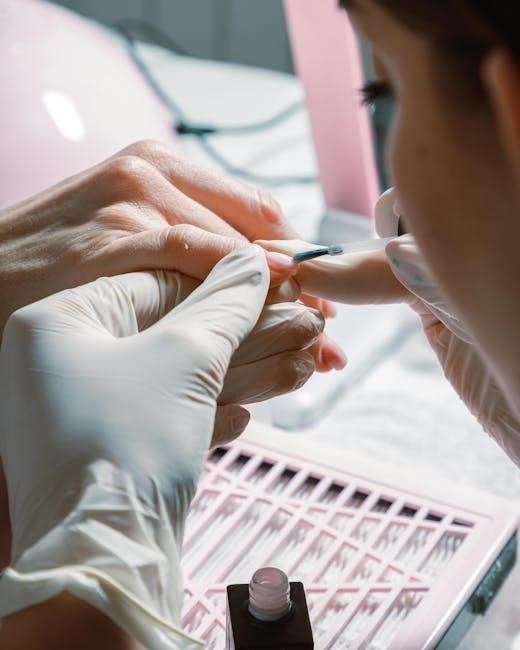
Gel nail application is another critical practical skill assessed during the exam, and comprehensive study guide PDFs provide detailed guidance on various gel systems․ These resources cover proper nail preparation, ensuring optimal adhesion and longevity of the gel manicure or enhancement․
Guides explain the differences between gel polishes, hard gels, and soft gels, outlining appropriate application techniques for each․ Emphasis is placed on correct curing times under UV or LED lamps, crucial for achieving a durable and safe result․ Proper application to avoid skin contact is also highlighted․
Study materials detail techniques for flawless gel application, including thin, even coats and precise cuticle application․ They also address removal procedures, emphasizing safe techniques to prevent nail damage․ Mastering these skills, through study and practice, is essential for exam success․
Nail Shaping and Polishing
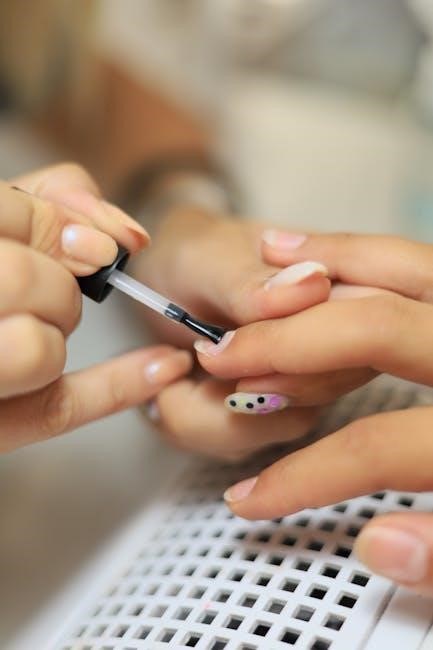
A foundational skill for any nail technician, proper nail shaping and polishing are thoroughly covered in exam study guide PDFs․ These resources detail various nail shapes – square, round, oval, almond, and stiletto – explaining which shapes suit different nail beds and client preferences․
Guides emphasize the importance of using the correct file grit for natural and artificial nails, and demonstrate proper filing techniques to avoid weakening the nail plate․ Polishing techniques are also detailed, including base coat, color coat, and top coat application for a smooth, chip-resistant finish․
Study materials highlight the importance of cuticle care during shaping and polishing, and demonstrate techniques for achieving a professional, polished look․ Mastering these skills, as outlined in the PDFs, is vital for practical exam success․
Exam Preparation Strategies
Utilizing practice exams, understanding key terms, and effective time management are vital strategies․ Study guide PDFs offer 150+ questions, aiding comprehension and boosting exam confidence․
Practice Exams and Mock Tests (150+ Questions)
Engaging with practice exams and mock tests is paramount to success on the nail technician exam․ Resources like the “Nail Technology Theory Practice Exam” provide a robust set of 150 multiple-choice questions, meticulously designed to mirror the actual exam’s format and difficulty․
These aren’t simply questions; they are accompanied by detailed answer explanations, allowing you to understand why an answer is correct or incorrect, solidifying your knowledge base․ Consistent practice builds familiarity with the exam structure, identifies knowledge gaps, and refines your test-taking speed․
Furthermore, utilizing these practice tests helps reduce exam anxiety and boosts confidence․ By simulating the exam environment, you’ll be better prepared to perform optimally under pressure, ultimately increasing your chances of achieving a passing score․ Don’t underestimate the power of repetition and self-assessment!
Understanding Key Terms and Definitions
A solid grasp of nail technology terminology is fundamental for success on the nail technician exam․ Study guides, particularly those in PDF format, emphasize defining and recognizing crucial terms related to nail anatomy, disorders, product chemistry, and sanitation procedures․
Familiarity with terms like “onychomycosis,” “onychophagy,” “pterygium,” and “onychorrhexis” – common nail abnormalities – is essential for accurate identification and appropriate response․ Understanding the distinctions between abrasives, bleaches, lubricants, and astringents is also critical․
Effective study involves not just memorization, but comprehension of how these terms apply to practical scenarios․ A strong vocabulary ensures you accurately interpret exam questions and provide precise answers, demonstrating a thorough understanding of the nail technician’s scope of practice․ Prioritize building a robust lexicon!
Time Management During the Exam
Effective time management is paramount when tackling the nail technician exam, and study guides often dedicate sections to this crucial skill․ Practice exams, like the 150+ question resources available, are invaluable for simulating exam conditions and honing your pacing․
Allocate a specific time limit for each question during practice to build the habit of working efficiently․ Avoid spending excessive time on challenging questions; flag them for review if time permits․ Prioritize answering questions you know confidently first․
PDF study guides can help you analyze your performance, identifying areas where you consistently struggle and require more focused practice․ Mastering time management reduces anxiety and maximizes your chances of completing the exam thoroughly and accurately, leading to a successful outcome․
Specific Exam Content Breakdown
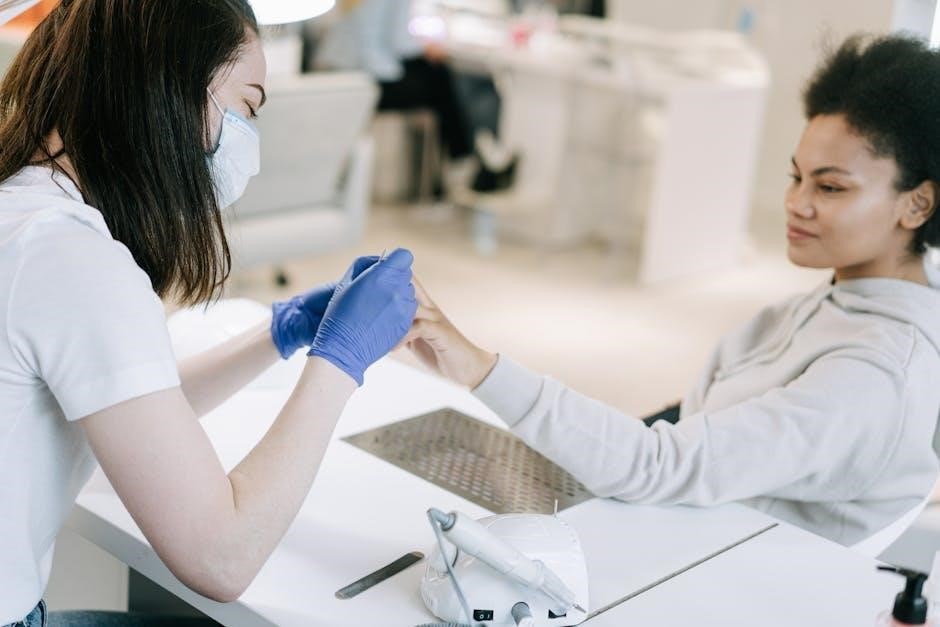
Study guides dissect exam topics, covering abrasives, cuticle treatments, and proper product storage․ Understanding these specifics, as detailed in CIB resources, is key to success․
Abrasives and Their Uses
A thorough understanding of abrasives is fundamental for nail technician certification, and study guides dedicate significant attention to this area․ These materials are categorized by grit, influencing their application – from coarse grits for shaping enhancements to finer grits for refining the natural nail․
Exam preparation must include recognizing abrasives as tools, not simply as materials; they are utilized for filing, shortening, and smoothing nail surfaces․ Guides emphasize selecting the appropriate abrasive for each task, preventing damage to the natural nail plate․
Furthermore, understanding the different forms abrasives take – files, blocks, and sanding discs – is crucial․ The study materials will detail how to maintain and sanitize these implements, adhering to strict infection control protocols․ Mastery of abrasive knowledge directly impacts practical skill assessment scores․
Cuticle Softeners and Treatments
Effective cuticle management is a cornerstone of professional nail care, and comprehensive study guides dedicate sections to softeners and treatments․ These resources detail the purpose of cuticle softeners – to hydrate and loosen the cuticle, facilitating a clean and safe manicure or pedicure․
Exam preparation necessitates understanding the different types of cuticle softeners available, their ingredients, and appropriate application techniques․ Guides emphasize avoiding harsh chemicals that can damage the surrounding skin․
Furthermore, study materials cover cuticle treatments designed to nourish and protect the cuticle, promoting healthy nail growth․ Proper application and client education regarding at-home care are also highlighted․ Mastery of this knowledge is vital for both theoretical understanding and practical skill demonstration․
Proper Storage of Implements and Products
A crucial aspect of salon safety and sanitation, and therefore a significant component of the nail technician exam, is the proper storage of implements and products․ Study guides emphasize that correct storage prevents contamination, maintains product integrity, and adheres to regulatory standards․
Resources detail storing implements in clean, closed containers, ideally after proper disinfection or sterilization․ Products must be stored in a cool, dry place, away from direct sunlight and extreme temperatures, to preserve their efficacy․
Guides highlight the importance of labeling products with dates and avoiding cross-contamination․ Understanding these principles demonstrates a commitment to client safety and professional responsibility, key elements assessed during the exam․

Common Exam Questions & Topics
Exam preparation necessitates recognizing frequently tested areas like identifying nail abnormalities – hangnails, pterygium, onychophagy, and onychorrhexis – and understanding product effects․
Identifying Nail Abnormalities (Hangnails, Pterygium)
A crucial aspect of the nail technician exam involves accurately identifying common nail abnormalities․ Understanding conditions like hangnails – the separated skin around the nail – is fundamental, as is recognizing pterygium, the growth of the cuticle onto the nail plate․
Study guides emphasize differentiating these from other conditions․ Correct identification demonstrates a grasp of nail health and potential issues․ The exam will likely present visual examples requiring precise diagnosis․
Mastering these distinctions is vital for providing appropriate services and advising clients․ Resources like practice exams and detailed study materials, often found in PDF format, provide ample opportunity to hone these skills․ Knowing the causes and proper handling of these abnormalities is key to passing the certification․
Recognizing Nail Conditions (Onychophagy, Onychorrhexis)
The nail technician exam assesses your ability to recognize various nail conditions, demanding a thorough understanding of their characteristics․ Onychophagy, commonly known as nail biting, presents as irregularly bitten nails, while onychorrhexis manifests as longitudinal ridges or grooves on the nail plate․
Study guides, particularly those in PDF format, dedicate sections to these and other conditions, often including visual aids for accurate identification․ Recognizing these conditions is crucial for advising clients on appropriate care and avoiding exacerbation through services․
Practice exams frequently feature questions testing your diagnostic skills․ Mastering these distinctions demonstrates a commitment to nail health and client safety, essential for successful certification and a thriving career․
Understanding the Effects of Products on the Nail Plate
A critical component of the nail technician exam focuses on how various products interact with the nail plate․ Study guide PDFs emphasize the chemical composition of acrylics, gels, and polishes, detailing their potential effects – both positive and negative․
Understanding how ingredients impact nail health is paramount; for example, harsh chemicals can cause dehydration or sensitivity․ The exam tests your knowledge of product interactions, including proper application techniques to minimize damage․

Comprehensive study materials will cover how abrasives affect the nail surface and the role of cuticle softeners․ Mastering this knowledge ensures responsible product usage and client safety, vital for passing the exam and building a reputable practice․